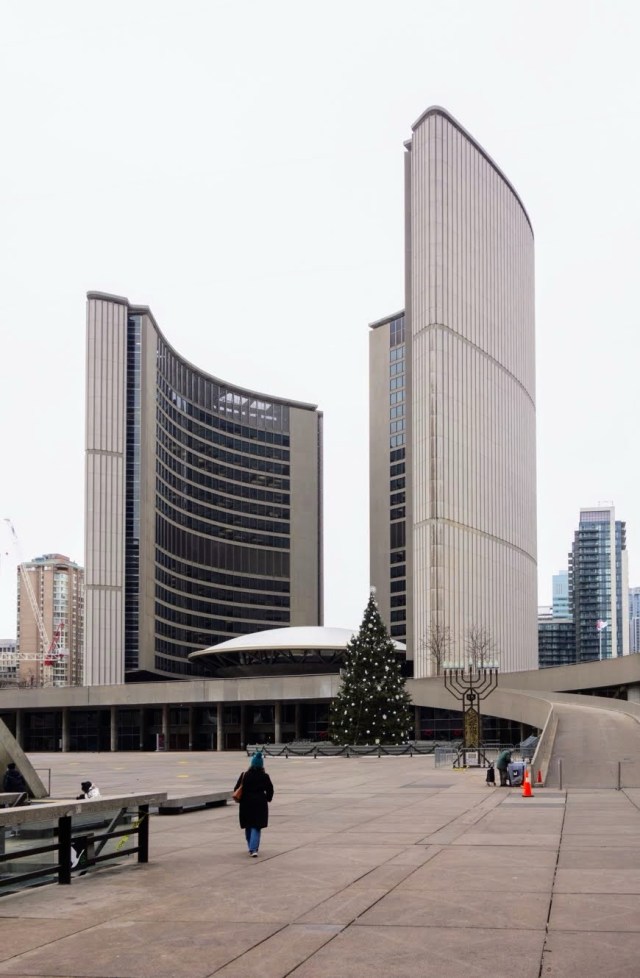
Postmodern (1960–1990)
Postmodern architecture emerged in the late 1960s as a reaction against the simplicity, rigidity, and perceived impersonality of Modernism (such as the International Style). Postmodernism embraces diversity, eclecticism, and playfulness, often incorporating historical references, bold forms, and ornament in unexpected ways.

Brutalism (1950–1970)
An architectural style that emerged in the mid-20th century (primarily the 1950s–1970s). It is characterized by its bold, rugged forms and the exposed use of raw materials, especially concrete. The term comes from the French phrase béton brut, meaning “raw concrete.”
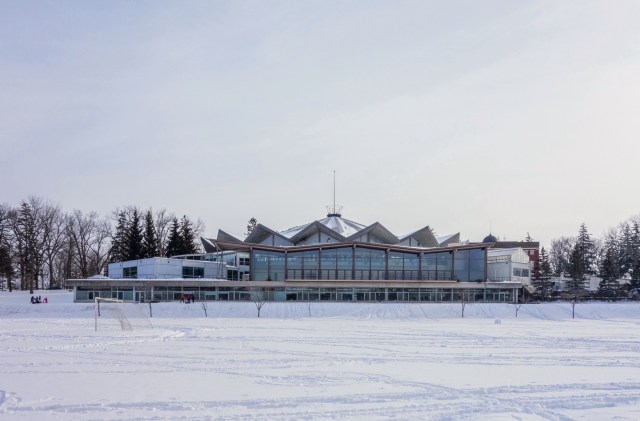
Mid-Century Modern (1945–1969)
An architectural and design movement that emerged in the United States from the mid-1940s to the late 1960s. It is celebrated for its clean lines, integration with nature, and emphasis on functionality and simplicity. The style was heavily influenced by earlier modernist movements, such as the Bauhaus and International Style, but adapted for post-war American living.
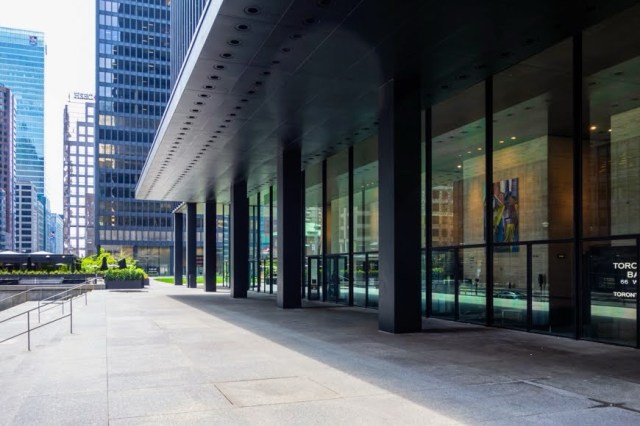
Modern (1920-1970)
A broad movement that emerged in the early 20th century. It emphasizes function, simplicity, and the honest expression of structure and materials, rejecting historical styles and ornamentation. Modernism revolutionized how buildings were designed and constructed, influencing everything from homes to skyscrapers worldwide.
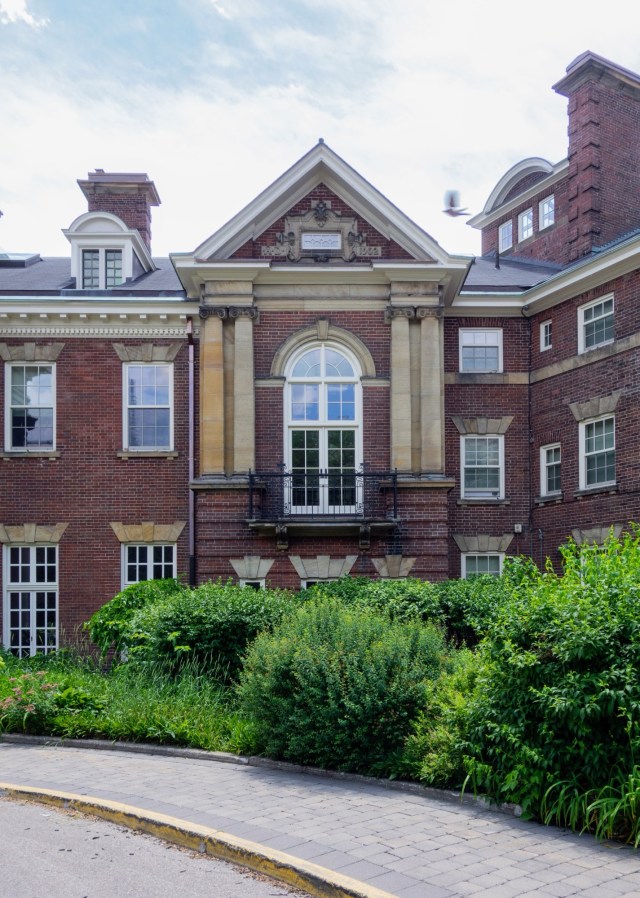
Edwardian (1901-1920)
The styles that were popular during the reign of King Edward VII in the United Kingdom (1901–1910), though the influence lasted into the early 1920s. The style followed the ornate Victorian period and marked a shift towards simpler, lighter, and more practical design.
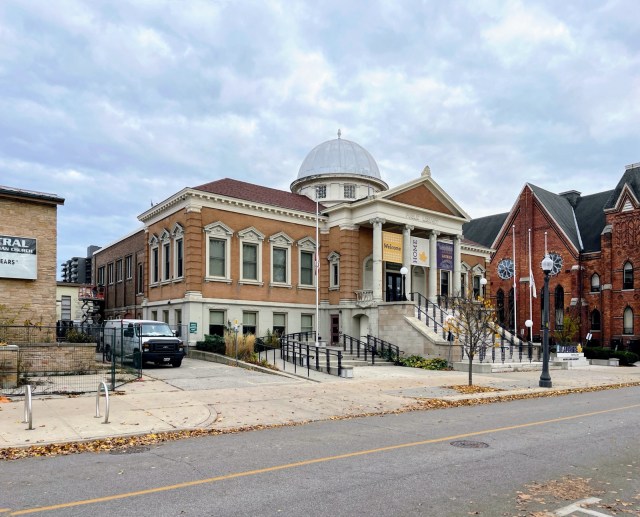
Beaux-Arts (1880-1930)
A grand and highly decorative architectural style that originated from the École des Beaux-Arts in Paris. It was most influential from the late 19th century to the early 20th century, especially in Europe and North America.
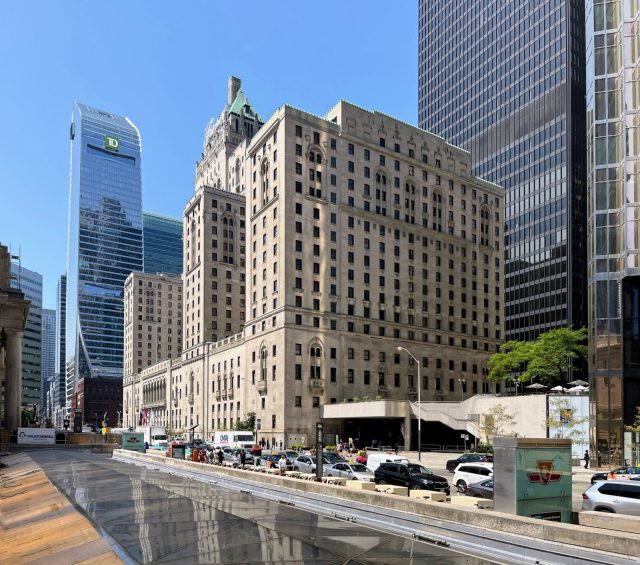
Châteauesque (1880–1920)
An architectural style inspired by the grand French Renaissance châteaux of the Loire Valley, especially those built in the 15th and 16th centuries. It became popular in North America—especially in the United States and Canada—during the late 19th and early 20th centuries.
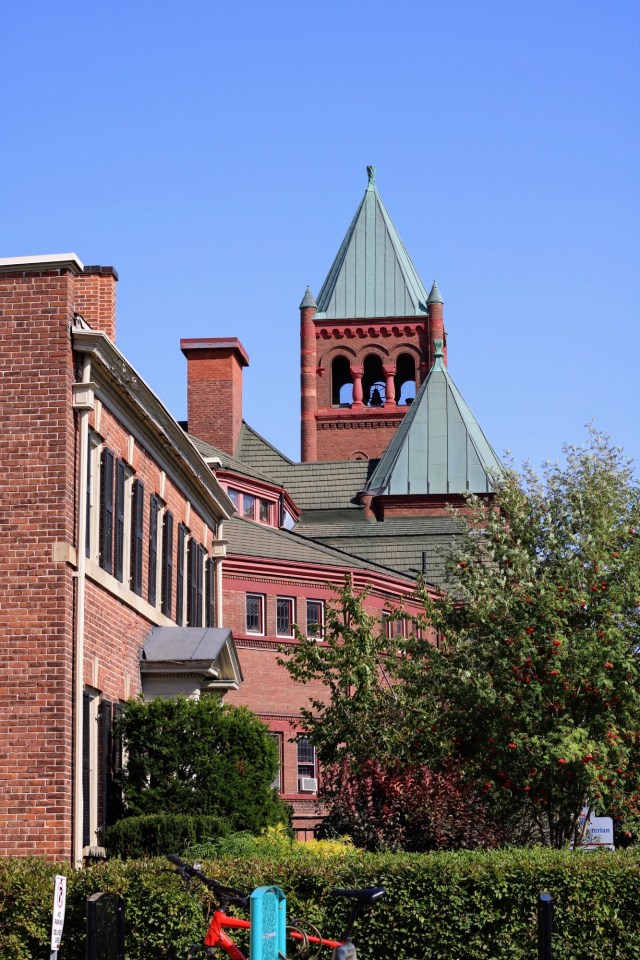
Richardsonian Romanesque
(1870s–1900)
A robust and picturesque architectural style named after American architect Henry Hobson Richardson (1838–1886). It emerged in the late 19th century, primarily in the United States, and is characterized by its massive stone construction, rounded arches, and medieval-inspired details. The style was most popular from the 1870s through the 1900s.
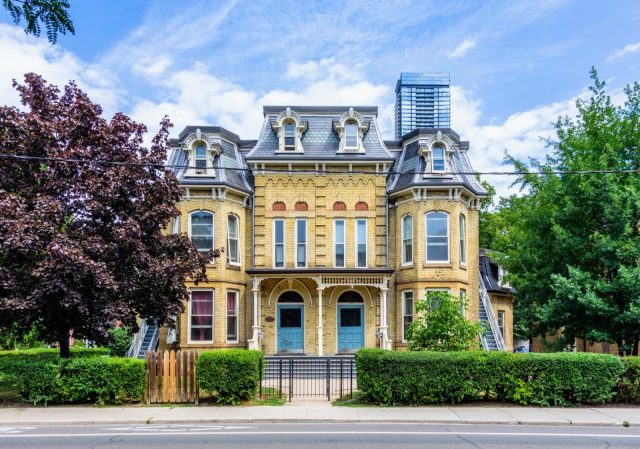
Second Empire (1850–1880)
Second Empire (also known as Mansard style) originated in France during the reign of Napoleon III (the Second French Empire, 1852–1870). It became popular internationally, especially in the United States, from the 1860s through the 1880s. The style is best known for its distinctive mansard roofs and exuberant ornamentation.
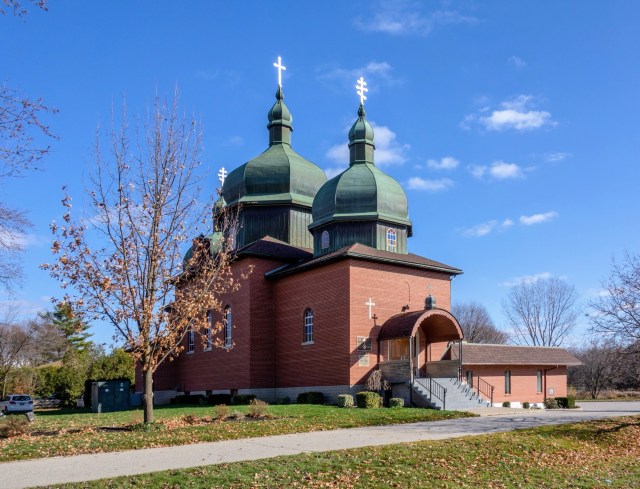
Byzantine Revival (1840s to 1930s)
An architectural style that emerged in the mid-19th century, inspired by the architecture of the Byzantine Empire (c. 330–1453 CE). This revival style draws from the domes, arches, and rich mosaics characteristic of the original Byzantine buildings, particularly the Hagia Sophia in Istanbul.
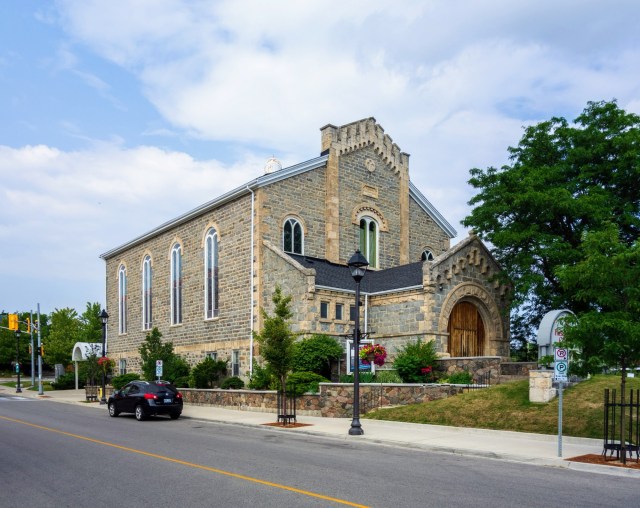
Romanesque Revival (1840s–1890s)
An architectural style inspired by the Romanesque architecture of 11th- and 12th-century Europe. It became popular in the early- to mid-19th century, especially for churches, institutional, and public buildings. The style is marked by round arches, heavy masonry, and a fortress-like appearance.
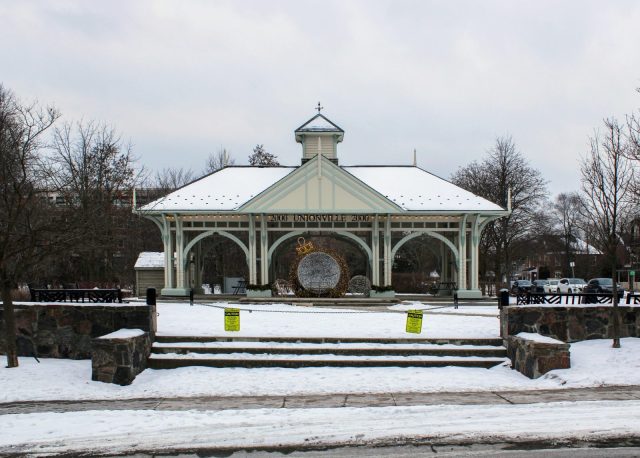
Victorian (1837–1901)
A variety of architectural styles that were developed during the reign of Queen Victoria (1837–1901). This era saw rapid industrialization and urbanization, resulting in the widespread adoption of ornate and eclectic designs—often blending medieval, classical, and exotic influences. Victorian architecture is not a single style but an umbrella term covering several related styles.

Italian Villa (1830-1900)
A picturesque, romantic architectural style inspired by the rural villas of Italy, especially those in Tuscany and Lombardy. It gained popularity in the mid-19th century, particularly in England and the United States, as part of the broader Italianate movement.
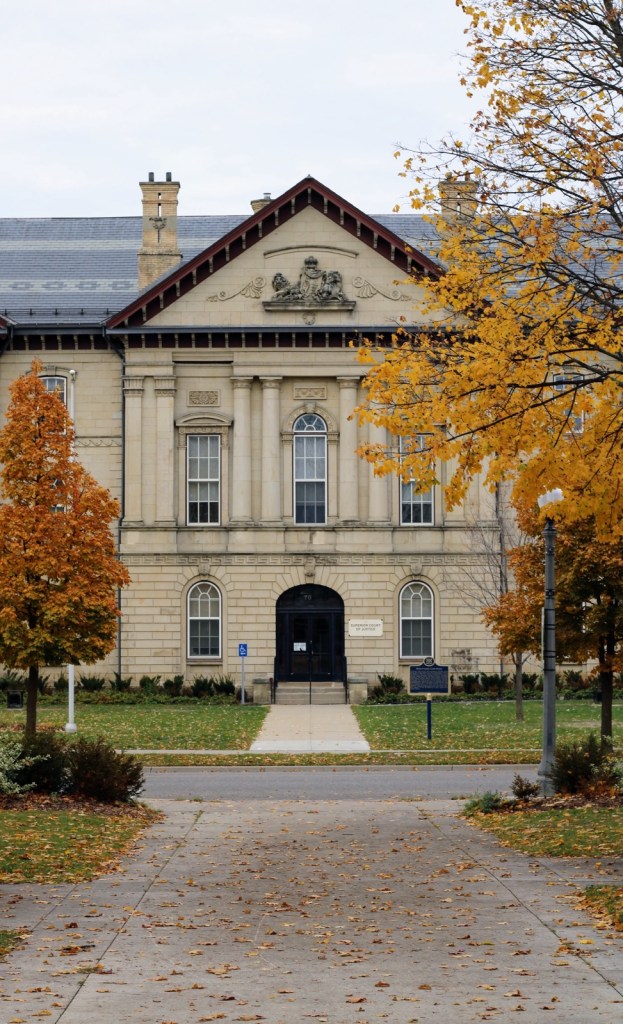
Neoclassical (1750s to 1920s)
Neoclassical architecture emerged in the mid-18th century as a reaction to the ornate Baroque and Rococo styles, drawing direct inspiration from the classical architecture of ancient Greece and Rome. It emphasizes simplicity, symmetry, and grandeur, and was widely used for government buildings, banks, museums, and grand residences.
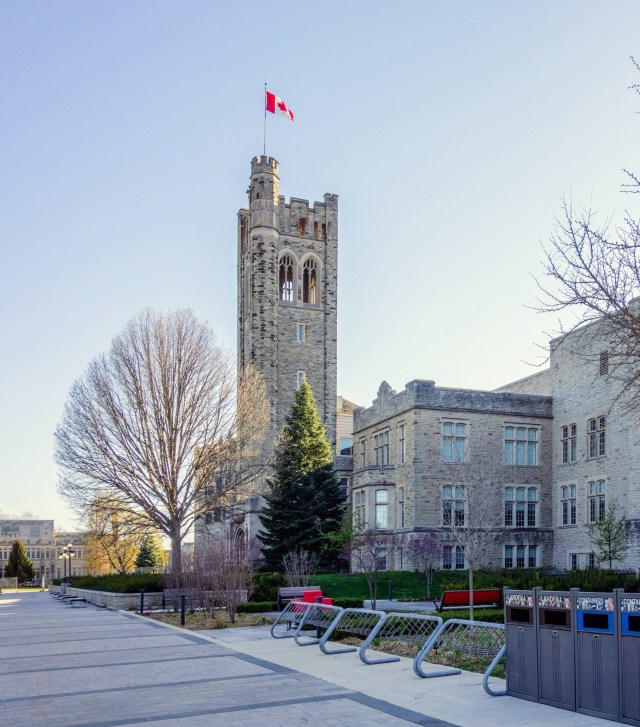
Gothic Revival (1740s to 1930s)
An architectural style that reinterprets medieval Gothic architecture. It first emerged in the late 18th century and became especially popular in the 19th century, particularly for churches, universities, public buildings, and even private homes. The style sought to revive and adapt the pointed arches, ribbed vaults, and ornate detailing characteristic of the original Gothic style.
 under the sun